

I have written about K-beauty ingredients for a while now, and I have learned to spot the trend cycle pretty quickly. Something goes viral on Korean skincare forums, the brand PRs start arriving, the influencer posts pile up, and then six months later you find out the ingredient was overhyped and the results were mostly placebo. I filed PDRN, the so-called salmon DNA regenerative ingredient, squarely in that category. Catchy name, vague clinical references, premium price positioning. I was not interested.
What changed my mind was not a press release or a before-and-after photo. It was running out of my usual evening serum and grabbing the medicube PDRN Pink Peptide Serum that had been sitting unopened in my review backlog for two months. I figured I would use it for a week, confirm my suspicions, and move on. That was five weeks ago, and I have not touched my old serum since.

Before I tell you what happened, let me explain why I was so resistant. Most PDRN marketing leans hard on the ingredient name without telling you anything useful, like what concentration, what delivery format, whether it is salmon-derived or synthetic, or how it interacts with the rest of a routine. When I read the medicube label properly, I saw a few things that actually made sense: PDRN paired with peptides and niacinamide, a low-irritation formulation, no fragrance, no alcohol denat. That is a formula written for people with reactive skin who want regenerative results without the drama. That got my attention.
Skeptical about the PDRN trend? The ingredient label on this one might change your mind.
The medicube PDRN Pink Peptide Serum is the version of this ingredient trend that actually makes sense: PDRN with peptides and niacinamide, no fragrance, no alcohol, priced for daily use. Over 16,000 Amazon reviews. Check what it costs today.
Amazon Check Today's Price on Amazon →The texture surprised me first. I expected something thick or gel-heavy, the way a lot of regenerative serums present themselves. This one is lightweight, almost watery, and it absorbs fast. I patted three drops onto clean skin after toning, waited about forty seconds, and layered my usual moisturizer over it with no pilling or stickiness. That matters more than people realize. If a serum fights your routine, you stop using it. This one disappeared quietly and did its job.
After the first week I noticed my skin looked calmer. I have combination skin that tends to go red and uneven through winter, and by day seven the redness around my nose and chin was noticeably softer. I did not say anything to my partner about what I was testing. He noticed the change before I mentioned it. That is not a scientific measurement, but it is the kind of real-world observation I trust more than a controlled trial I was not part of.
I did not say anything to my partner about what I was testing. He noticed the change before I mentioned it.
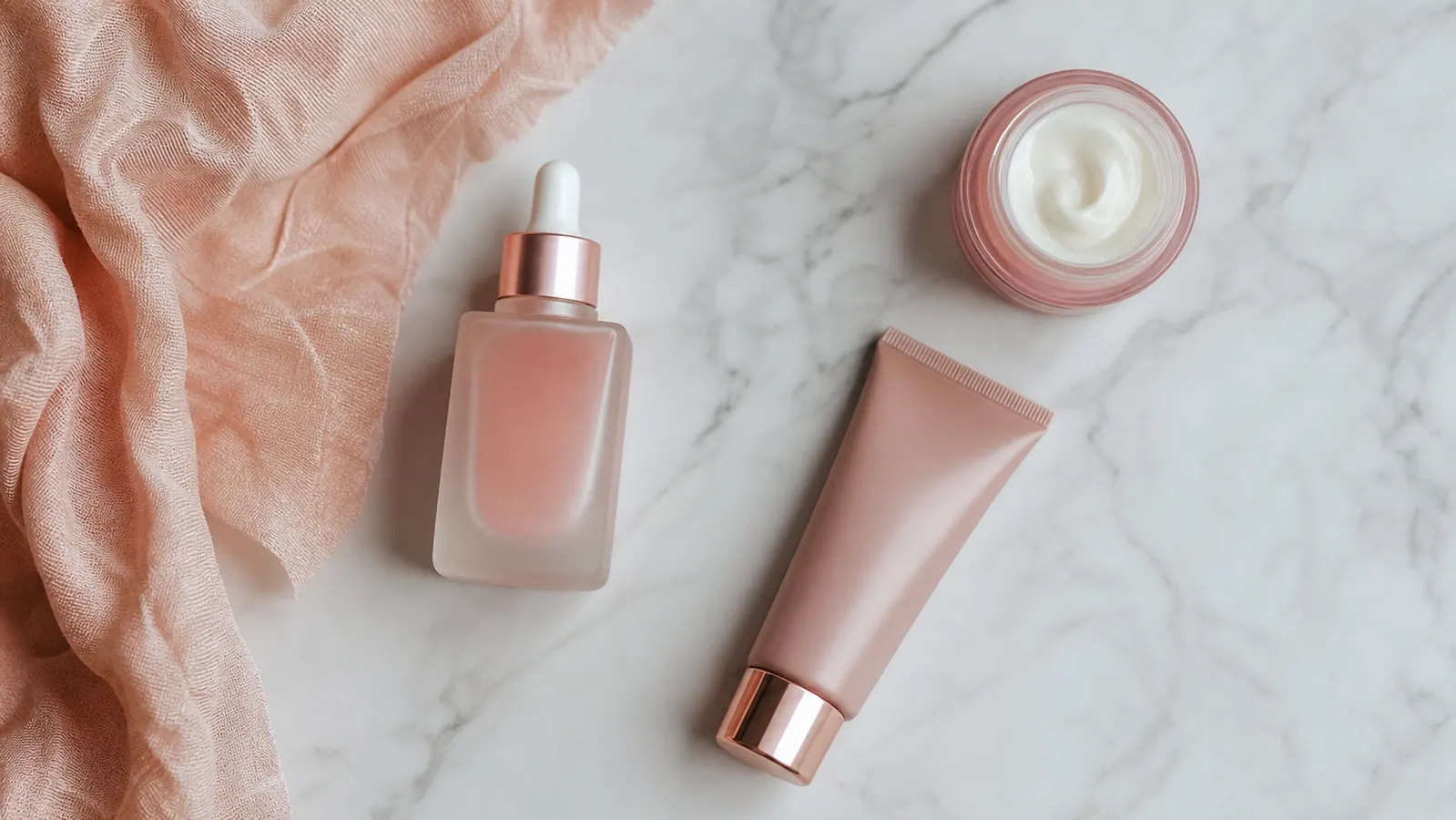
By week three the texture improvements were harder to ignore. My skin had this slight bounce to it, especially in the morning, the way it used to look in my mid-twenties before I spent a year stress-stripping my barrier with too many actives. Fine lines across my forehead looked softer, not erased, but genuinely softer in a way that tinted moisturizer alone was not responsible for. I know the difference. I write about this stuff.
Around week four I went back and read more carefully about what PDRN actually does at a cellular level. Polynucleotides work by signaling tissue repair, encouraging fibroblast activity, and supporting collagen production, which is why the ingredient is used clinically in wound healing contexts in Korea before it crossed over into cosmetics. The medicube version is not clinical grade, and I want to be honest about that. A topical serum cannot replicate an injectable treatment. But the mechanism is real, and the formula here is designed to support it without irritating or compromising the barrier in the process. That is the gap between PDRN products that work and the ones that disappoint. The disappointing ones chase the trend name without caring whether the rest of the formula supports or contradicts it.
I have also tried two other PDRN serums since starting this one, and I keep coming back. One had a strong fragrance that made my skin flush within twenty minutes. The other had a thicker texture that congested my pores after a week of nightly use. The medicube version has done neither of those things in five weeks of morning and evening application. That kind of tolerability, across two application windows, through both humid and cold days, tells me the formulation is actually careful.
What I Would Tell You If We Were Sitting at My Kitchen Table
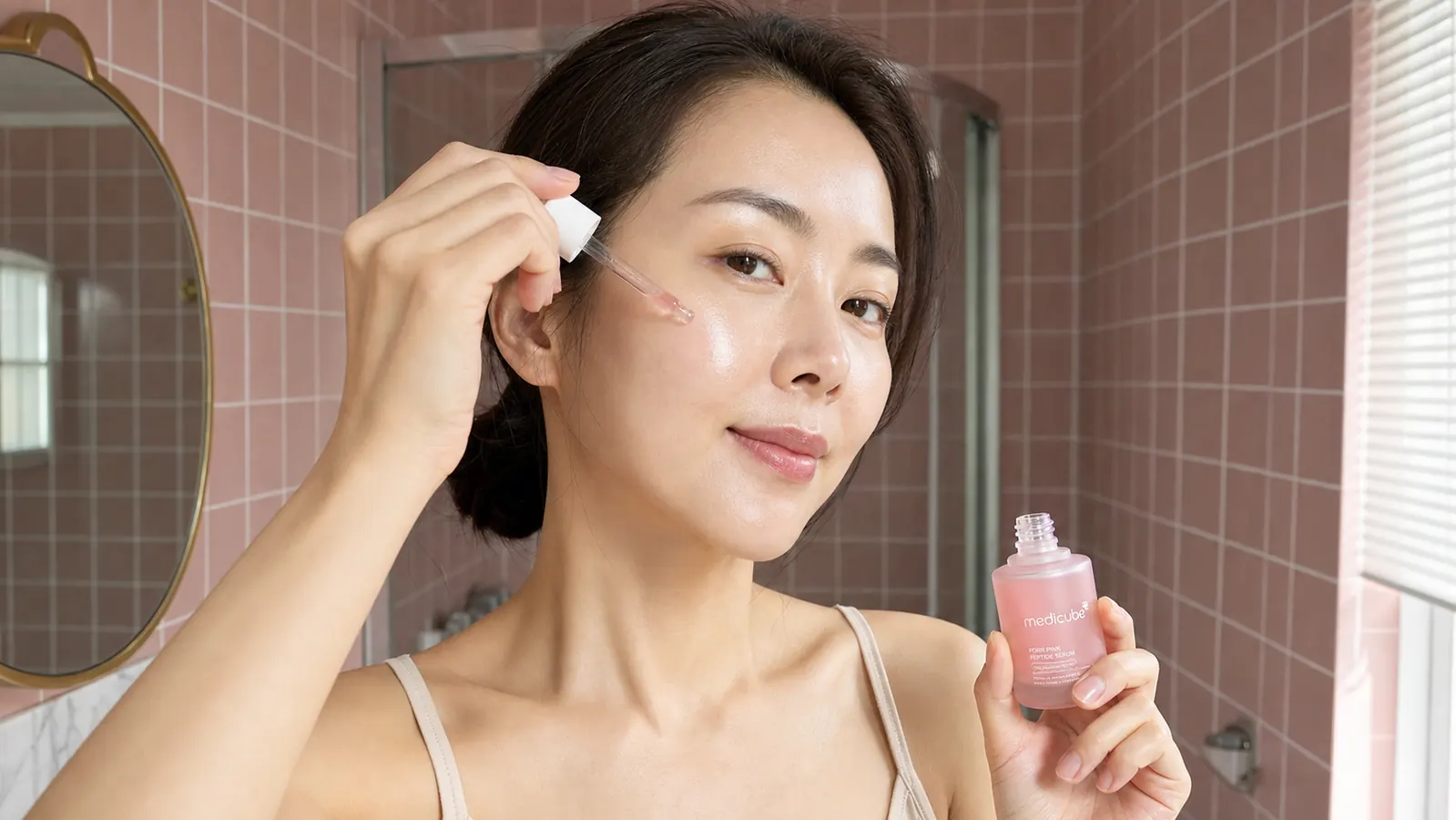
Here is the honest version of what I think, the kind I give friends when they text me before spending on a serum. PDRN is not a miracle and medicube is not hiding a secret. What this serum does well is deliver a well-built formula around a genuinely interesting ingredient at a price that makes daily use realistic. If you are dealing with dullness, uneven texture, mild redness, or that vague sense that your skin just looks tired all the time, this is worth trying. If you want to fix deep wrinkles or replace in-clinic treatments, nothing in a bottle is going to do that and anyone who tells you otherwise is selling something harder than a serum.
The thing I keep telling people is this: the best skincare is the kind you actually use consistently. This serum has a texture, a scent profile (essentially none), and an absorption speed that make it easy to reach for twice a day without thinking about it. After five weeks that habit is built. My skin looks better. I was wrong to dismiss it, and I am glad I eventually ran out of excuses.
If you want the full breakdown of what I observed week by week, including comparisons to the two alternatives I tested alongside it, I wrote about that in my long-term review. And if you want to understand how to layer PDRN properly into a multi-step routine, especially if you are also using exfoliating acids or vitamin C, that guide covers the exact order and timing that worked for me.
Five weeks, twice a day, and my skin looks the way it did before I broke my barrier with too many actives. That is the honest summary.
The medicube PDRN Pink Peptide Serum is the one I kept reaching for when I had other options. Lightweight, no fragrance, good for daily use on reactive or combination skin. See what Amazon is showing for today's price.
Amazon Check Today's Price on Amazon →