
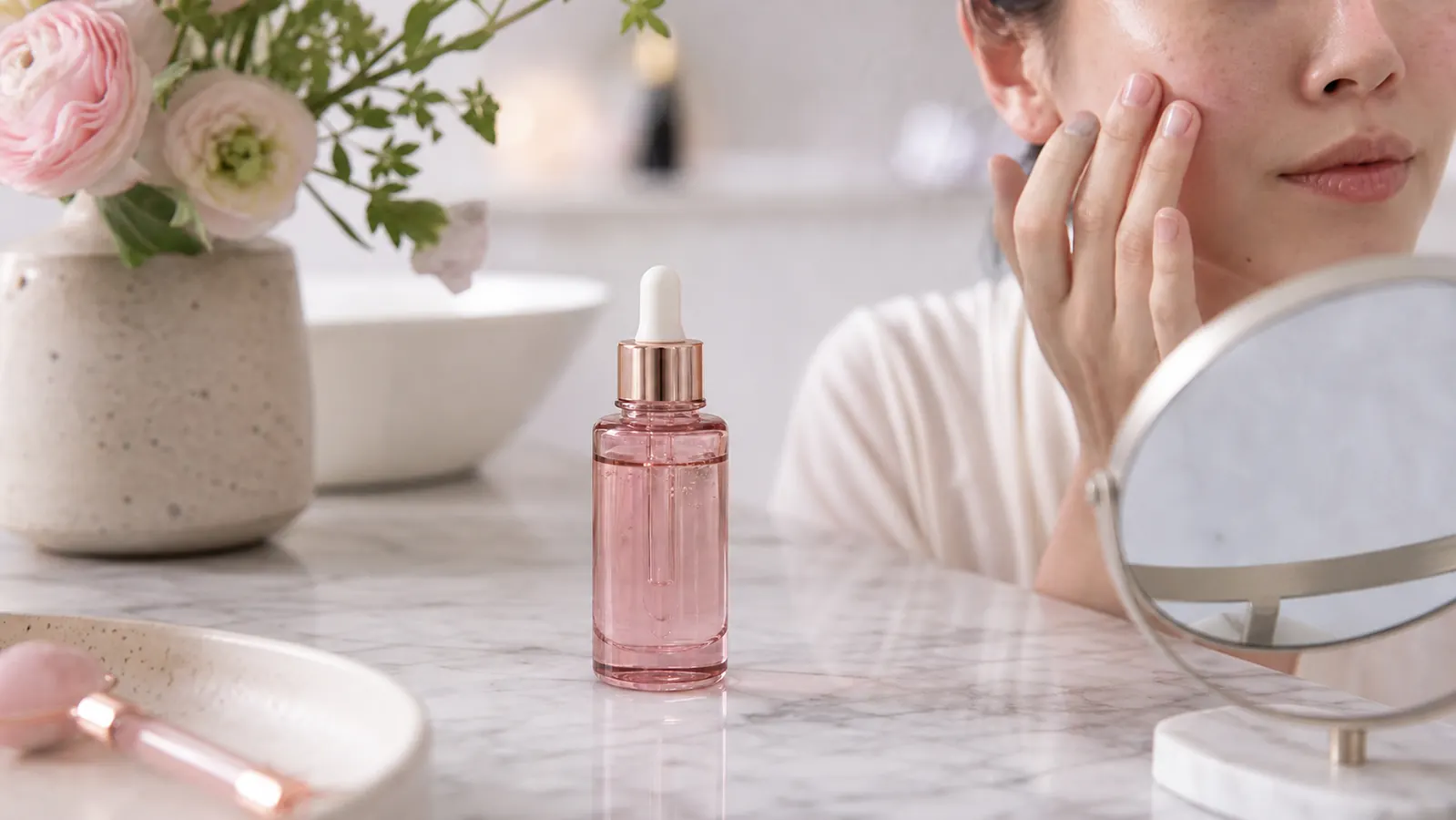
You've spent real money on serums that promise skin renewal, only to stare at your reflection three weeks in and notice exactly nothing different. PDRN is the ingredient that's actually earned that claim, and the medicube PDRN Pink Peptide Serum is where most people start. With over 16,000 Amazon reviews and a 4.4-star average, it's not viral noise. It's a formula that's doing something real.
If you've seen PDRN trending and wondered whether it's worth adding to your routine, here are 10 concrete reasons the answer is yes, and why the medicube serum keeps showing up as the starting point ingredient-curious shoppers keep choosing.
16,000+ reviews say this is the PDRN serum worth trying first.
The medicube PDRN Pink Peptide Serum stacks polynucleotides, peptides, and niacinamide in a single lightweight formula. It's one of the most reviewed PDRN options on Amazon right now.
Amazon Check Today's Price on Amazon →PDRN triggers your skin's own repair process, not just surface hydration
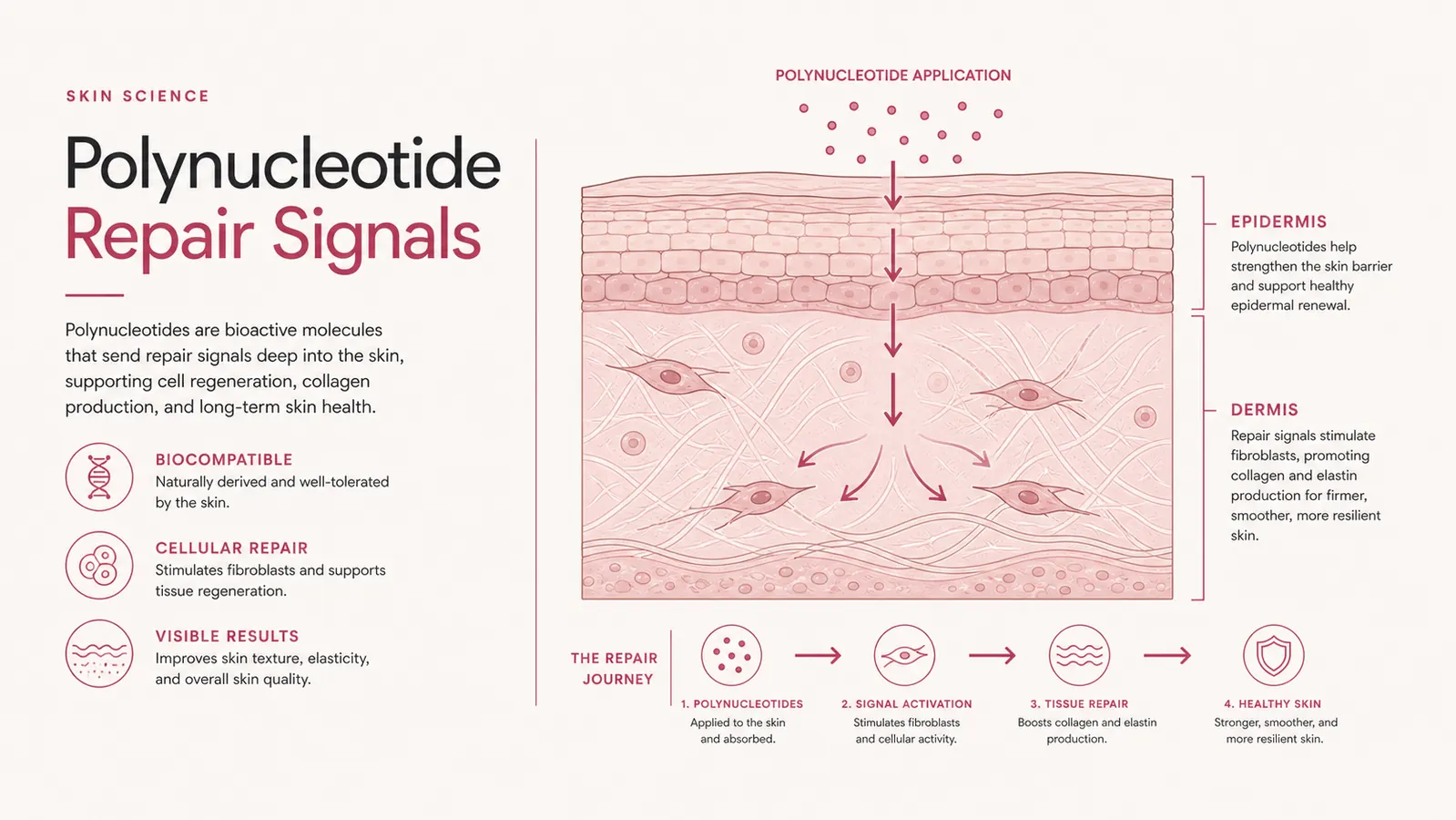
Most serums sit on top of your skin and make it feel softer. PDRN works differently. Polynucleotides are fragments of DNA (purified, not active genetic material) that signal fibroblasts, the cells responsible for collagen and elastin production, to switch into repair mode. This is why PDRN shows up in dermatology research on wound healing and post-procedure skin recovery. When you apply a PDRN serum like medicube's Pink Peptide formula daily, you're nudging your skin's own regenerative biology rather than just layering on moisture. That's a meaningfully different mechanism from hyaluronic acid or glycerin, and it's the reason the category has grown so fast. For a deeper look at results over time, see our 90-day medicube PDRN serum review.
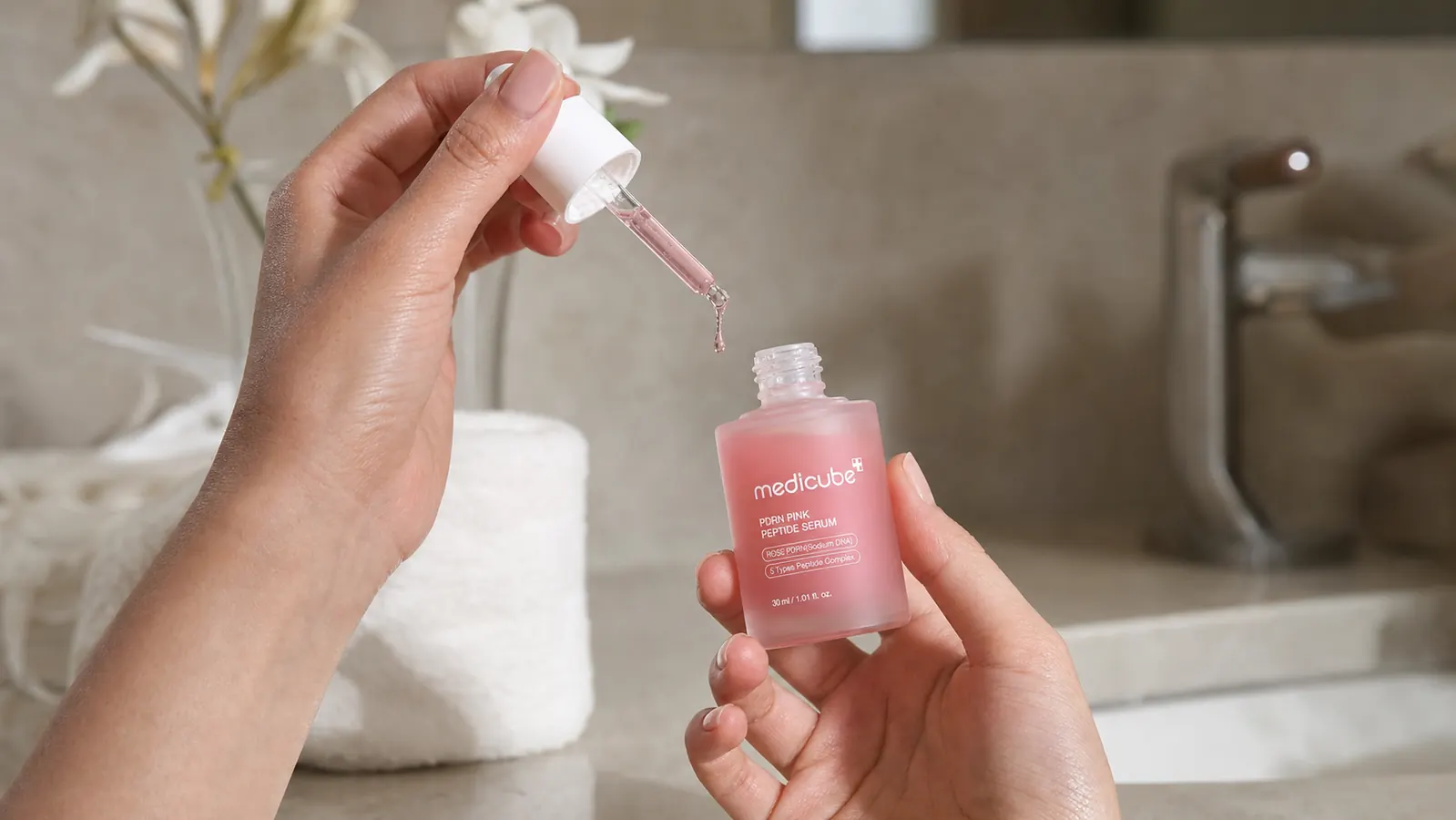
It layered into existing K-beauty routines without pilling or greasiness
One of the real-world complaints about adding a new serum is product conflict. Something pills, something balls up, something sits heavy under SPF. The medicube formula has a thin, water-like texture that absorbs quickly, sitting comfortably between a toner and a thicker serum in your layering order. Reviewers with multi-step routines consistently note it doesn't interfere with the products above or below it. If you want the specific layering sequence, our PDRN serum layering guide walks through the full glass-skin routine.
Niacinamide in the same bottle means you're treating tone and texture simultaneously
Niacinamide is one of the most well-documented brightening and pore-minimizing ingredients in skincare. The medicube PDRN Pink Peptide Serum includes it alongside the polynucleotides, which means one bottle is working on two different skin concerns at once: regenerative repair from the PDRN and uneven tone from the niacinamide. For people who've been running a separate niacinamide serum, this is worth considering as a consolidation move.
The peptide complex supports firmness from a different angle than PDRN alone
Peptides are short amino acid chains that act as messengers for collagen synthesis. Combined with PDRN's cell signaling activity, you're approaching skin firmness from two separate biological pathways in a single product. Neither ingredient cancels the other out. They complement. For shoppers who've been curious about peptide serums but want PDRN in the same step, this makes the formula more efficient than buying both separately.
PDRN doesn't work like a topical glow serum. It works more like a slow, steady repair signal to your skin's own regenerative system.
PDRN has real clinical backing, not just trend energy
Unlike some ingredient categories that grow entirely on marketing, PDRN has a research trail in dermatology and aesthetic medicine. Polynucleotides have been studied for skin recovery after procedures and for improving skin hydration, elasticity, and density. The concentrations used in published studies are often higher than what you'd find in a cosmetic serum, which is worth noting. But the mechanism is real, and medicube is working with a validated ingredient category, not an invented one.
It's one of the most accessible price points in the PDRN category
Prescription-grade or medical-use PDRN treatments cost hundreds of dollars per session in a clinic. Cosmetic PDRN serums vary widely, from under $20 to well over $100. The medicube Pink Peptide Serum sits at the accessible end of that spectrum, which makes it a reasonable way to test whether your skin responds to the ingredient before committing to a more expensive formula. If you want to compare it to the next tier up, see our full medicube vs Rejuran comparison.
The texture works for most skin types, including combination and oily
Heavy serums that promise repair often feel too rich for combination skin or clog pores on oily skin. The medicube formula runs lightweight, absorbs quickly, and doesn't leave a tacky or greasy finish. That makes it usable morning and evening without adding congestion to a routine that's already managing shine or uneven oil production. Dry skin types also use it comfortably, often layering a thicker moisturizer on top.

medicube is a legitimate K-beauty brand, not an unvetted import
Part of the risk with trending ingredients is that they attract low-quality products riding the hype. medicube is a Seoul-based brand with a real track record, significant international distribution, and substantial clinical investment in their formulas. The brand runs its own research labs and has built a reputation on ingredient-forward products in the K-beauty market. The 16,000-plus reviews on Amazon, with a 4.4-star average across that volume, reflect a product that's actually been tested at scale.
You don't need to overhaul your routine to add it
One of the reasons people hesitate with new serums is the overhead of restructuring a routine that already works. PDRN serum slots in easily between toner and moisturizer, or can replace a separate peptide step if you're already running one. You don't need to eliminate anything or add a dedicated application tool. Pat it in with clean hands or fingertips after your toner, let it absorb for 30 seconds, and continue your usual routine. The bar to entry is low.
PDRN is moving from clinics into mainstream skincare, and now is a reasonable time to try it
Ingredients that start in medical aesthetics tend to follow a predictable path: clinical use first, then high-end cosmetic formulations, then accessible mass-market versions. PDRN is somewhere in the middle of that curve right now. The ingredient is well-established in Korean aesthetic medicine, and cosmetic formulations have been building for several years. Getting familiar with it before it becomes a crowded, over-marketed category means you're choosing products while the quality signal is still relatively clear.
What to Skip
If you want pure, high-concentration PDRN with nothing else added, this isn't the formula for that. The medicube serum is a combination product: PDRN plus peptides plus niacinamide. That's a strength for most people and a limitation for anyone doing methodical single-ingredient testing. If you're actively tracking how your skin responds to one ingredient at a time, you'd want to test each component separately before layering them. For most shoppers, though, the multi-ingredient formula is the practical choice.
If you've read all 10 reasons and still aren't sure, read the reviews. Then decide.
The medicube PDRN Pink Peptide Serum has over 16,000 verified Amazon reviews. That's not a launch spike. That's a sustained product earning repeat attention from people who've actually used it.
Amazon Check Today's Price on Amazon →