

For about three months last fall, I did what a lot of skincare enthusiasts do when they get impatient with their skin: I piled on the actives. Retinol four nights a week. Glycolic acid toner in the mornings. A vitamin C serum that was frankly too strong for my combination skin. I kept reading that exfoliation was the key to glass skin, so I just kept going. My skin looked worse by November than it had in years. The cream that finally calmed my wrecked barrier was the Anua PDRN Hyaluronic Acid 100 Moisturizing Cream, but to understand why it worked you need to know what I had done to my skin first.
Tight, stinging, flushed across the nose and cheeks. Products I had used without issue for years suddenly burned on contact. My skin would flush red for an hour after washing my face. I could not put on sunscreen without it stinging. That is when I realized I had done real damage to my skin barrier, not just a rough patch.
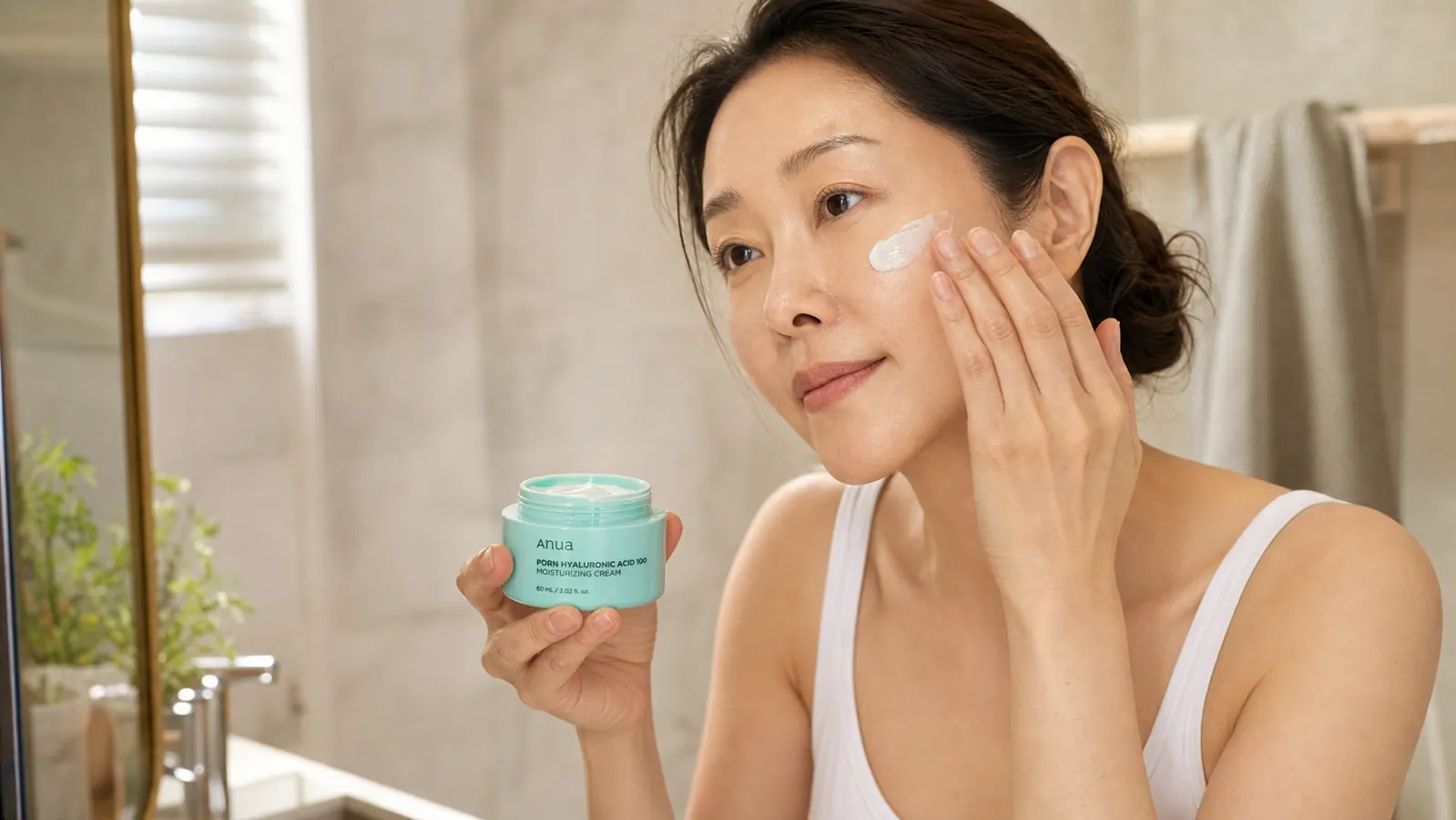
I stripped the whole routine down. No actives, no acids, no retinol. I went back to basics: gentle cleanser, something occlusive at night, and a plain moisturizer. For two weeks my skin stabilized but did not recover. It still looked dull and felt tight by midday. A friend who is a lot more ingredient-literate than I am asked if I had tried anything with PDRN in it. I had seen the term on K-beauty pages, mostly associated with serums, but she said a barrier-focused PDRN cream might be worth trying because the polynucleotides work on cellular repair rather than surface exfoliation. Basically the opposite of what I had been doing.
My skin would flush red for an hour after washing my face. That was when I realized I had done real damage, not just hit a rough patch.
I found the Anua PDRN Hyaluronic Acid 100 Moisturizing Cream on Amazon. It has over 3,000 reviews and a 4.4-star rating, which told me I was not the only person who had landed here. The formula pairs PDRN with a high concentration of hyaluronic acid in a lightweight, non-greasy texture. That last part mattered to me because my skin was already angry and I did not want a thick occlusve that would clog anything or sit heavily on reactive skin.
The texture is genuinely different from most moisturizers I have tried. It is cushiony and absorbs quickly, leaving the skin feeling like it has a light film of water on it rather than a layer of product. No fragrance at all, which I appreciated because fragrance had been stinging my compromised skin. The first morning I used it I noticed my skin did not sting when I followed with SPF. That was the first time that had happened in weeks.
Your barrier does not need more actives. It needs PDRN.
The Anua PDRN Hyaluronic Acid 100 Cream pairs polynucleotides with HA to rebuild what over-exfoliation strips away. Over 3,000 reviewers. Lightweight enough for reactive skin.
Amazon Check Today's Price on Amazon →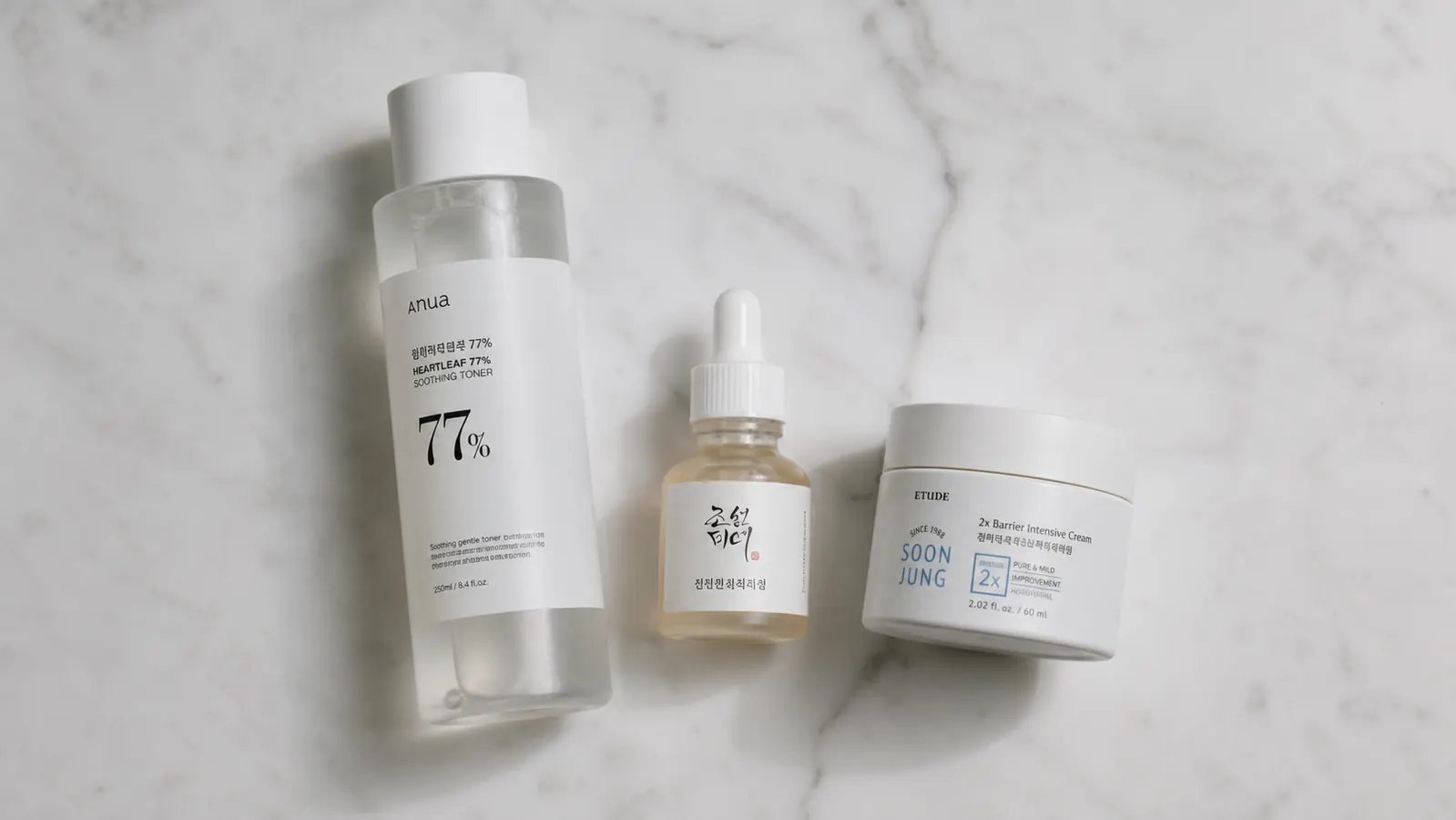
I used it twice a day for the first two weeks, morning and night, over a plain watery toner and nothing else. By the end of week one, the redness across my nose had noticeably calmed. Not gone, but clearly less reactive. Week two, the tightness was mostly resolved and I stopped dreading my morning routine. Week three was when I started to feel like my skin actually looked like my skin again, not like an irritated version of it.
What I want to say clearly is that this is not a fast-fix product in the way that a strong acid gives you immediate visible turnover. What it does is slower and, honestly, more important when your barrier is in rough shape. It quiets things down. It lets your skin stop fighting and start repairing. The PDRN component works at a cellular level on tissue regeneration. The hyaluronic acid keeps the surface hydrated so your barrier is not losing moisture while that repair happens. Together they do something that a pile of actives never could: they give your skin what it needs to fix itself.
I reintroduced a low-strength retinol at week six. No reaction. My skin held.
What I'd Tell You If We Were Sitting at My Kitchen Table

If you are reading this because your skin is reactive right now, here is what I would actually say to you: stop adding things and strip back first. A compromised barrier cannot absorb or benefit from actives. You are essentially pouring water into a cracked cup. The Anua PDRN Cream is not the most exciting product you will ever buy. It will not give you an overnight transformation photo for social media. What it will do is give your skin the conditions it needs to actually heal, and that is worth more than any peel or acid in your cabinet right now.
I still use it most nights as a second moisturizer over my serum, even now that my barrier is restored. It layers well and does not pill under anything. It is one of maybe four products I have kept long-term out of everything I tested last year, and it earns its place in a routine that is otherwise a lot more minimal than it used to be. If you want the longer ingredient breakdown and my full ten-week testing notes, I wrote those up in the detailed review.
See the full review: Anua PDRN Cream Review: 10 Weeks on Dehydrated, Sensitive Skin. And if you want guidance on how to layer it into a multi-step routine without pilling or overloading, I have that covered too: How to Layer PDRN Cream Into Your K-Beauty Routine Without Pilling.
Ready to stop fighting your skin and start repairing it?
Anua PDRN Hyaluronic Acid 100 Moisturizing Cream. Lightweight, fragrance-free, and built for skin that needs to recover before it can glow. Check current availability on Amazon.
Amazon Check Today's Price on Amazon →